
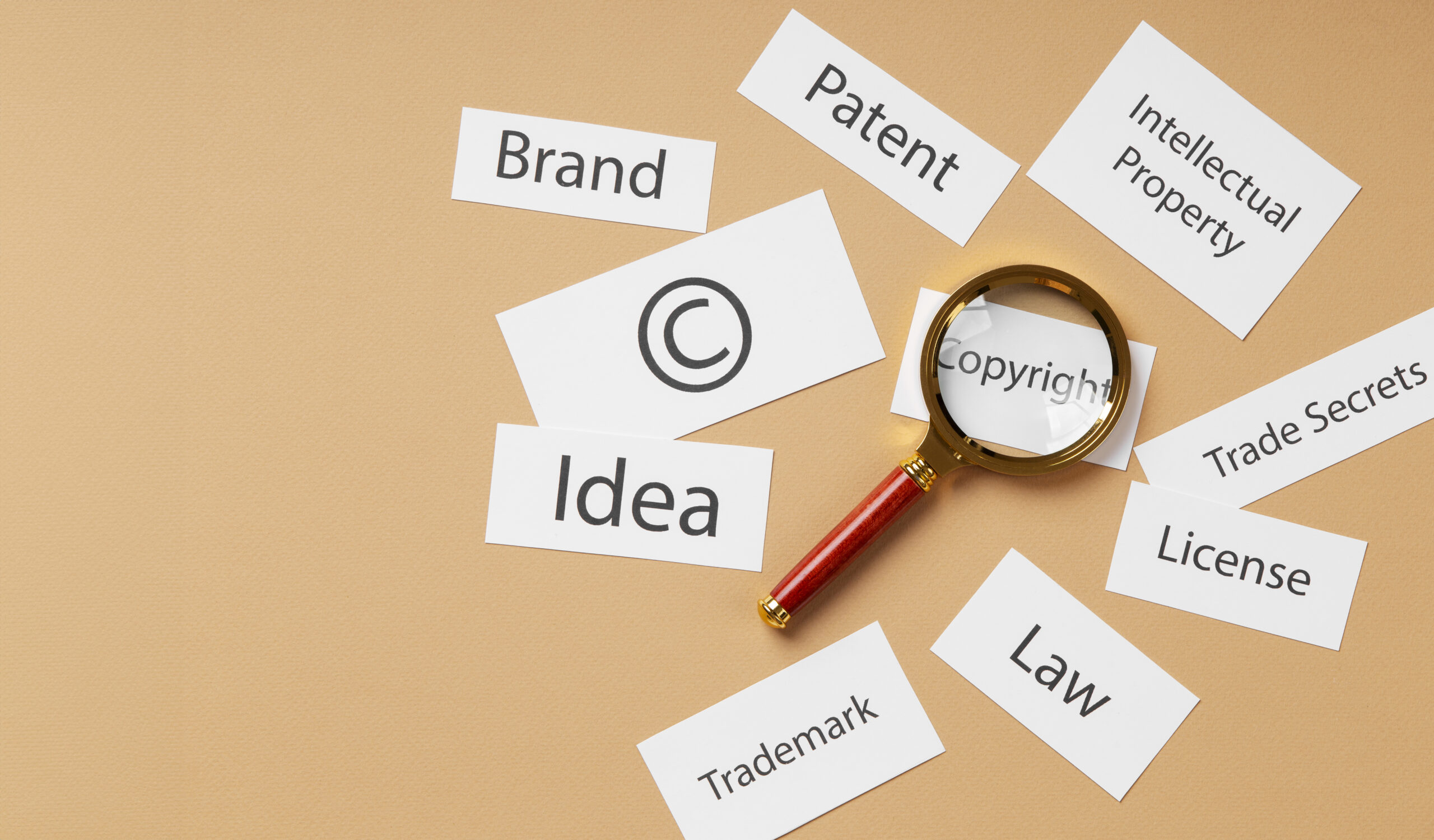
For startups, ideas, brands, and innovation are among the most valuable assets. Yet many founders struggle to understand how to protect these assets legally. Copyright, Trademark, and Patent are the three primary forms of intellectual property protection, each serving a distinct purpose.
This guide explains the differences between copyright, trademark, and patent—and helps startups determine which protection applies to which asset.
What Is Intellectual Property (IP)?
Intellectual Property refers to creations of the mind that have commercial value. For startups, IP may include:
- Brand names and logos
- Software code and digital content
- Product designs and inventions
- Marketing material and creative works
Choosing the correct form of IP protection is essential for long-term business growth.
Copyright: Protecting Creative Works
What Does Copyright Protect?
Copyright protects original creative works, including:
- Software code
- Website content
- Marketing material
- Designs, artwork, and illustrations
- Books, blogs, and presentations
Key Features
- Protection arises automatically upon creation
- Registration is optional but recommended for enforcement
- Does not protect ideas—only the expression of ideas
Relevance for Startups
Copyright is especially important for tech startups, content platforms, and digital businesses where original content and code form the core value.
Trademark: Protecting Brand Identity
What Does a Trademark Protect?
Trademarks protect brand identifiers, such as:
- Business names
- Logos and symbols
- Taglines and slogans
Key Features
- Protects brand recognition and goodwill
- Registration provides exclusive rights
- Helps prevent confusion in the marketplace
Relevance for Startups
A trademark ensures that customers associate the brand exclusively with the startup, making it a critical asset during scaling and fundraising.
Patent: Protecting Inventions and Innovations
What Does a Patent Protect?
Patents protect new inventions, including:
- Products or processes
- Technical innovations
- Functional designs
Key Features
- Protection is granted only after examination
- Requires novelty, inventiveness, and industrial applicability
- Offers exclusive rights for a limited period
Relevance for Startups
Patents are crucial for startups developing unique technology or products that provide a competitive advantage.
Key Differences at a Glance
| Aspect | Copyright | Trademark | Patent |
|---|---|---|---|
| Protects | Creative works | Brand identity | Inventions |
| Registration | Optional | Recommended | Mandatory |
| Duration | Long-term | Renewable | Limited |
| Key Benefit | Ownership of content | Brand protection | Exclusive innovation rights |
Which IP Protection Does Your Startup Need?
Startups often require multiple forms of IP protection:
- A software startup may need copyright for code and trademark for brand
- A product startup may need patent protection and trademark registration
- A content business may rely heavily on copyright
Choosing the right combination depends on the nature of the business.
Common IP Mistakes Startups Make
- Delaying IP registration
- Assuming company name registration protects the brand
- Ignoring IP ownership in employee or consultant agreements
- Not conducting proper searches before filing
Addressing IP early reduces legal risk and strengthens business valuation.
Conclusion
Copyright, trademark, and patent each play a distinct role in protecting a startup’s intellectual property. Understanding these differences enables founders to make informed decisions and safeguard their innovation, brand, and creative assets.
Startups that invest in IP protection early are better positioned for growth, partnerships, and investment.
⚖️ Disclaimer
This article is intended for general informational purposes only and does not constitute legal advice. Readers should consult a legal professional for advice specific to their circumstances.
